

Mini PC vs Laptop in 2026: Which One Should You Actually Buy?
Buying a computer isn't as simple as choosing between a cheap laptop and a heavy desktop tower anymore.
Today’s Mini PCs have become remarkably smaller, faster, and far more capable, while laptops continue to offer the unmatched convenience of an all-in-one portable machine. Depending on how and where you use your computer, either option could make sense.
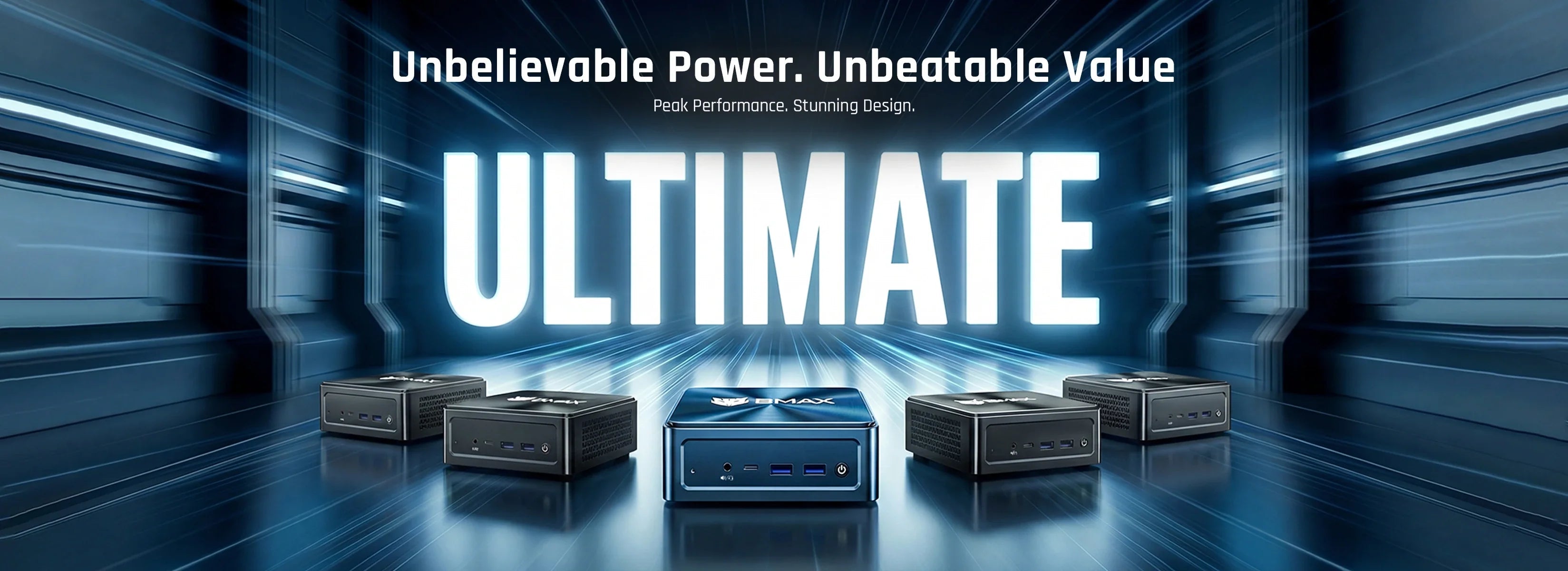
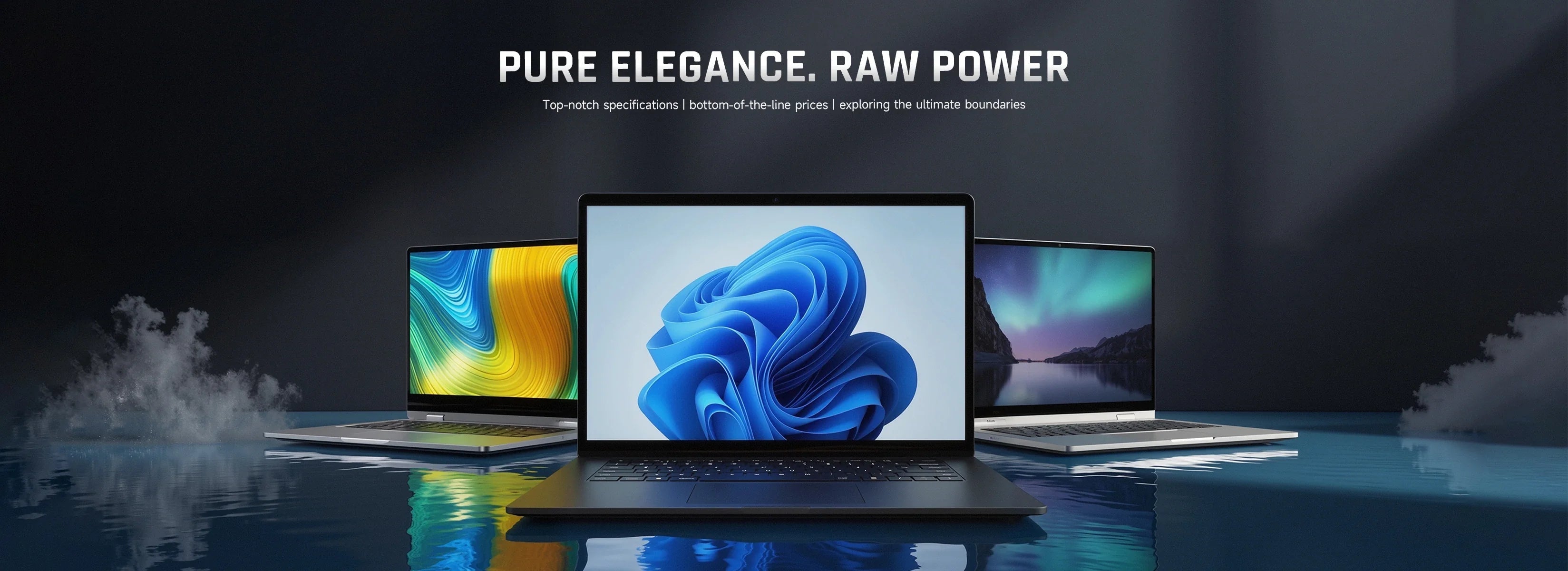
A Mini PC gives you a powerful, comfortable desktop setup without eating up your desk space. A laptop gives you the freedom to work, study, and browse from just about anywhere.
So, which one should you actually buy?
The answer has less to do with which device is objectively “better” and everything to do with your daily habits.
If you spend 90% of your time working from a single desk, a Mini PC often offers better hardware value, a larger ergonomic workspace, and easier upgrade paths. If you regularly bounce between classrooms, coffee shops, offices, and travel destinations, a laptop is the clear winner.
Let’s break down how Mini PCs and laptops compare where it matters most: performance, price, desk setups, upgrades, and everyday life.

What Is the Main Difference Between Them?
Both Mini PCs and laptops are fully functioning computers, but they are built for entirely different lifestyles.
A laptop includes everything inside one shell:
-
Display
-
Keyboard
-
Trackpad
-
Battery
-
Speakers
-
Hardware components
A Mini PC is essentially a compact desktop computer. To use it, you plug in your own:
-
Monitor(s)
-
Keyboard
-
Mouse
-
Speakers or headphones
The ultimate dividing line is mobility. Laptops are built to move with you. Mini PCs are built to stay put on a desk, though their tiny size makes them infinitely easier to pack up and move than a traditional tower.
Mini PC vs. Laptop: Quick Comparison
| Feature | Mini PC | Laptop |
| Portability | Easy to move, but needs accessories | Excellent (All-in-one) |
| Desk Setup | Excellent & Ergonomic | Good, but limited screen height |
| Built-in Display | No (Use your own monitor) | Yes |
| Battery Power | No | Yes |
| Price-to-Performance | Often better value | You pay extra for screen & battery |
| Upgrade Options | Better (Easier RAM/SSD swaps) | Usually restricted |
| Workspace Comfort | Excellent with large external displays | Restricted by laptop screen size |
| Multi-Monitor Support | Excellent (Dual/Triple displays) | Varies by model/ports |
| Power Consumption | Low | Low |
1. Portability: The Laptop Wins (Hands Down)
This is the easiest category to judge.
Laptops are designed to go anywhere life takes you. You can slide one into your backpack and work from a classroom, a library, a coffee shop, an airport gate, or a client’s boardroom. Everything you need is right there in front of you.
A Mini PC is technically portable due to its size, but it is not built for working on the move. You can't open a Mini PC on a train and start typing—you still need a screen, a keyboard, a mouse, and a wall outlet.
If your daily routine involves constant movement, buy a laptop.
However, if your computer spends 95% of its life sitting on the exact same desk, paying extra for a built-in screen and battery might not be the best use of your money.

2. Desk Setup: The Mini PC Wins
If you work or study from a fixed location, a Mini PC lets you build a vastly superior, more ergonomic workspace.
Instead of hunching over a 14-inch laptop screen, you get to choose your own gear:
-
A large, high-resolution monitor (or dual monitors)
-
A full-sized mechanical or ergonomic keyboard
-
A comfortable mouse
-
Dedicated speakers and a webcam
Even better, many Mini PCs can be mounted directly to the back of a monitor using a VESA mount. The entire computer effectively vanishes, leaving your desk completely clean and clutter-free.

(For a look at how compact PCs stack up against old-school towers, read our guide on Mini PC vs Desktop: Which One Should You Actually Buy in 2026?).
3. Performance & Value: Getting More Bang for Your Buck
A common myth is that laptops are automatically more powerful than Mini PCs. That simply isn’t true.
Both form factors utilize the same generation of processors, fast RAM, and NVMe SSDs. However, Mini PCs often provide better hardware value per dollar because you aren't paying extra for a high-end built-in display, battery cells, and specialized laptop chassis engineering.
If you already own a monitor and peripherals, a Mini PC lets 100% of your budget go toward raw computing performance.
(To understand specs better, check out our 2026 Mini PC Buying Guide).
4. Price and Setup Cost
-
If you already have a monitor and keyboard: Buying a Mini PC is an exceptionally cost-effective way to get a powerful workstation.
-
If you are starting from absolute zero: Remember to factor in the cost of a monitor, keyboard, and mouse. If you need everything all-in-one out of the box, a laptop is simpler.
(Looking for affordable options? Explore our guide to Best Budget Mini PCs Under $300 in 2026).
5. Upgrades and Expansion
This is a massive pain point for modern laptops, many of which have RAM and storage soldered directly to the motherboard.
Many Mini PCs, by contrast, offer straightforward upgrade paths. Depending on the model, you can easily pop open the chassis to upgrade your RAM or swap in a larger NVMe SSD down the road as your projects grow.
If you plan on keeping your machine for 4 to 5 years, upgradeability is a huge point in favor of Mini PCs.
6. Working From Home: Why a Mini PC Shines
For remote workers who spend all day at home, hunching over a laptop keyboard can strain your neck and shoulders.
A Mini PC plugs naturally into a full home office setup: dual large monitors, a comfortable desk chair, a proper keyboard, and rock-solid ethernet connectivity. It handles video calls, spreadsheets, heavy multitasking, and project management tools effortlessly while taking up zero desk real estate.
(Read more in our guide: Best Mini PCs for Work From Home in 2026).
7. Students: Which Should You Pick?
-
Choose a laptop if: You bounce between lecture halls, campus libraries, study groups, and coffee shops daily.
-
Choose a Mini PC if: You mostly study from your dorm room or bedroom desk, want a much larger screen for research and writing essays, and want better performance for your budget.
(Explore student options in The Best Mini PCs for Students in 2026).
8. Programming and Development
Developers need CPU muscle, ample RAM, and fast storage.
If your main coding station is at home or in an office, a Mini PC paired with dual monitors creates an incredible, distraction-free development environment that handles VS Code, Docker containers, local databases, and heavy IDEs without breaking a sweat.
(Read our deep dive: Best Mini PCs for Programmers and Developers in 2026).
9. Gaming
Gaming performance is determined by internal hardware, not the form factor.
While high-end gaming laptops exist, they are often bulky, loud, and expensive. Mini PCs offer a great middle ground for esports, indie titles, and cloud gaming on a big monitor. (For hardcore AAA 4K gaming, neither form factor compares to a custom desktop tower).
(Learn more in Are Mini PCs Good for Gaming in 2026?).
10. AI Computing and Thermal Management
As AI workloads become standard, modern chips now include built-in NPUs (Neural Processing Units) to accelerate local AI tools.
The BMAX B11 Pro (powered by the Intel Core Ultra 5 115U) is a great example of a compact machine equipped with modern AI acceleration capabilities.
However, cramming high performance into a tight space generates heat. Both laptops and Mini PCs struggle with thermal throttling if their cooling is poorly designed. BMAX tackles this with the Space Capsule Cooling System, optimizing internal airflow to keep performance stable, temperatures low, and fan noise down during extended workloads.
(For more on AI hardware, read Best AI Mini PCs of 2026: What to Know Before Buying an AI PC).

Summary: Who Should Buy What?
🟢 Buy a Mini PC if you:
-
Work or study primarily from one fixed location (home office, dorm, desk)
-
Already own (or plan to buy) a good monitor and keyboard
-
Want better hardware specs for your money
-
Value a clean, minimalist workspace
-
Want the ability to easily upgrade RAM or storage later
🔵 Buy a Laptop if you:
-
Travel frequently or work from multiple locations daily
-
Need an all-in-one machine with a built-in screen and battery
-
Work on the go (trains, planes, coffee shops)
-
Do not want to buy external peripherals
Frequently Asked Questions
Is a Mini PC better than a laptop?
It depends entirely on your lifestyle. Mini PCs offer better value and ergonomic desk setups for fixed locations, while laptops win on mobility and all-in-one convenience.
Can a Mini PC replace a laptop?
If you work from home or a fixed office, yes. But it cannot replace a laptop if you need to work while traveling or moving between locations.
Are Mini PCs cheaper than laptops?
If you already own a monitor and peripherals, yes—Mini PCs often give you better performance for a lower price. If you need to buy everything from scratch, factor in the cost of a display.
Which is better for working from home?
A Mini PC is usually superior for working from home because it lets you connect to large ergonomic monitors and full-sized keyboards.