Di quanta RAM hai realmente bisogno in un Mini PC Nel 2026? 8 GB contro 16 GB contro 32 GB
Quando si acquista un
UN
Quindi, quanta RAM ti serve? Veramente Bisogno?
Per la maggior parte degli utenti nel 2026, 16 GB è la soluzione ideale per un utilizzo pratico.. Gli utenti base possono ancora cavarsela con 8 GB, mentre sviluppatori, creatori di contenuti, utenti esperti e chiunque utilizzi applicazioni pesanti vorranno sicuramente prendere in considerazione 32 GB o più.
La scelta giusta dipende da cosa fai effettivamente alla tua scrivania.

Cosa fa la RAM in un Mini PC ?
La RAM (Random Access Memory) funge da memoria di lavoro a breve termine del computer.
Ogni volta che apri un'applicazione, una scheda del browser, un foglio di calcolo o un gioco, il sistema carica le informazioni nella RAM in modo che il processore possa accedervi istantaneamente senza dover interrogare continuamente l'unità di archiviazione, che è più lenta.
Più RAM significa che il computer può mantenere in memoria più applicazioni attive contemporaneamente. Ad esempio, immagina di fare il giocoliere:
-
Un browser web con 30 schede aperte
-
Microsoft Word ed Excel
-
Spotify in riproduzione in sottofondo
-
Una videochiamata su Zoom o Teams.
-
Un ambiente di programmazione complesso
Tutte queste operazioni richiedono spazio di memoria. Se il sistema esaurisce la RAM disponibile, deve trasferire i dati sull'SSD (memoria virtuale), il che provoca rallentamenti e blocchi. Ecco perché la RAM è l'eroina silenziosa del multitasking fluido.
(Per una visione più ampia di come la RAM si inserisce in un contesto generale
8 GB di RAM sono sufficienti nel 2026?
8 GB di RAM sono ancora utilizzabili, ma solo per le operazioni informatiche di base.
Va bene se usi principalmente il tuo
-
Navigazione web leggera
-
Controllo delle email
-
Elaborazione testi e fogli di calcolo di base
-
Apprendimento online e streaming video.
-
Semplici mansioni amministrative d'ufficio
Se raramente tieni aperte più di poche app contemporaneamente, 8 GB saranno sufficienti.
Tuttavia, i moderni sistemi operativi e le applicazioni web sempre più complesse richiedono sempre più risorse. Un browser pieno di schede, combinato con software per ufficio e strumenti di sicurezza in background, può consumare 8 GB di memoria in tempi sorprendentemente brevi.
Pensa a 8GB come a un budget minimo di base piuttosto che uno standard ideale. Se hai intenzione di mantenere il tuo
Perché 16 GB sono la quantità ideale per la maggior parte degli utenti
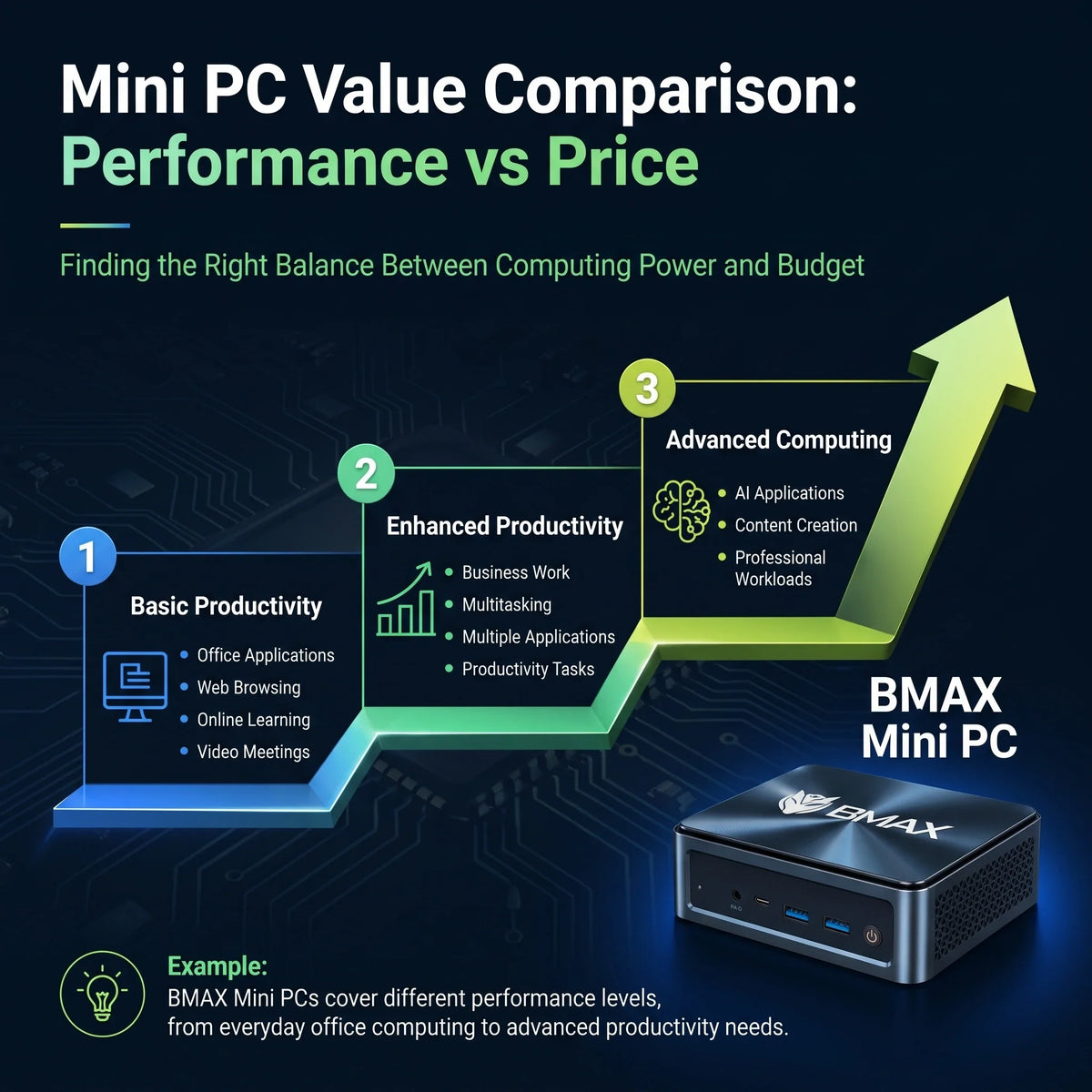
Per la stragrande maggioranza degli utenti nel 2026, 16 GB rappresentano il miglior compromesso tra capacità e costo.
È la configurazione ideale per:
-
Produttività quotidiana in ufficio e lavoro da remoto
-
Apprendimento online e navigazione web intensiva
-
Pratica di programmazione e codifica di livello intermedio
-
Multitasking fluido tra più app
-
Intrattenimento, streaming e creazione di contenuti leggeri.
Con 16 GB, puoi tenere aperte comodamente una dozzina di applicazioni senza dover controllare costantemente l'utilizzo della memoria. È il punto di partenza più sicuro ed equilibrato per utenti domestici, studenti, professionisti e utenti occasionali con esigenze elevate.
Quando servono 32 GB o più?
Non tutti hanno bisogno di 32 GB. Ma quando il flusso di lavoro quotidiano prevede l'utilizzo di software specializzati e ad alto consumo di risorse, la memoria aggiuntiva smette di essere un lusso e diventa una necessità.
Dovresti seriamente considerare 32 GB se corri regolarmente:
-
Macchine virtuali (VM)
-
Container Docker e cluster Kubernetes
-
Ambienti di sviluppo complessi e IDE di grandi dimensioni
-
Emulatori Android
-
Pro software professionale di montaggio video o creativo -
Set di dati enormi o multitasking statistico intensivo
-
Flussi di lavoro avanzati di intelligenza artificiale locale
Gli sviluppatori di software, gli scienziati dei dati, i montatori video e gli utenti più esigenti noteranno vantaggi immediati e tangibili passando a 32 GB di RAM.
(Se la programmazione è la tua attività principale, la nostra guida su Migliore
8 GB vs. 16 GB vs. 32 GB: confronto rapido
| Dimensioni RAM | Ideale per | Raccomandazione generale |
| 8 GB | Navigazione di base, email, semplici lavori d'ufficio | Livello base/Economico |
| 16 GB | Consigliato per la maggior parte degli utenti | |
| 32 GB | Consigliato per utenti esperti | |
| 64 GB+ | Impresa specializzata & attività di postazione di lavoro impegnative | Solo quando specificamente necessario |

RAM e grafica integrata
Ciò è particolarmente importante in
La GPU integrata, invece, utilizza una parte della RAM principale del sistema per l'elaborazione grafica.
Ad esempio, se hai 8 GB
Di quanta RAM hai bisogno per giocare?
Le esigenze di memoria dei giochi variano enormemente. Per i giochi casual, i titoli indie e i giochi più vecchi, 16 GB è più che sufficiente. Per giochi moderni impegnativi e multitasking estremo, 32 GB offre un buon spazio in altezza.
Tuttavia, ricorda: La RAM non sostituisce la GPU. UN
(Curioso di sapere cosa può effettivamente eseguire un PC compatto? Leggi Sono
Di quanta RAM ha bisogno un PC per l'intelligenza artificiale?
Man mano che l'IA diventa parte dei nostri flussi di lavoro quotidiani, i chip moderni sono dotati di NPU dedicate (Neural
Tuttavia, la presenza di una NPU non significa che la RAM sia irrilevante. Le applicazioni basate sull'intelligenza artificiale, i modelli locali intelligenti e gli strumenti di produttività dipendono ancora in larga misura dalla memoria di sistema. Se stai costruendo una workstation a prova di futuro e pronta per l'IA, assicurati che la RAM sia all'altezza delle ambizioni del tuo processore.
(Per saperne di più, consulta la nostra guida: Migliore IA
RAM o SSD: quale aggiornamento è più importante?
Spesso si tende a confondere il ruolo della RAM con quello della memoria di archiviazione:
-
RAM decide quanti cose che il tuo computer può gestire esattamente nello stesso momento.
-
Archiviazione SSD decide quanto velocemente Il sistema si avvia, carica le applicazioni e trasferisce i file.
Se il tuo computer è lento perché hai troppe applicazioni aperte, aggiorna la RAM. Se il computer impiega un'eternità ad avviarsi o ad aprire un file di progetto pesante, hai bisogno di un SSD NVMe più veloce. Funzionano in sinergia, ma non sono intercambiabili.
È possibile aggiornare la RAM in un Mini PC ?
Dipende interamente dal modello.
Alcuni
Prima dell'acquisto, verificate sempre le specifiche del produttore se pensate di voler effettuare un upgrade in futuro. (La stessa regola vale per le unità SSD).
La RAM influisce sul raffreddamento?
I moduli RAM di per sé non generano grandi quantità di calore.Tuttavia, carichi di lavoro pesanti che consumano molta RAM (come la compilazione di codice, il rendering di video o l'esecuzione di macchine virtuali) mantengono la CPU al massimo delle sue capacità.
Quando un processore si surriscalda per ore, la gestione termica diventa fondamentale.
Raccomandazione finale: quanto acquistare?
-
Scegli 8 GB se sei un utente occasionale che si limita a navigare sul web, controllare la posta elettronica, guardare video in streaming e gestire documenti di base.
-
Scegli 16 GB Se desideri un'esperienza fluida e senza intoppi per lavoro, studio, programmazione e multitasking quotidiano. Questa è la nostra raccomandazione principale per il 90% degli utenti.
-
Scegli 32 GB o superiore se sei uno sviluppatore, un creatore di contenuti o un utente esperto che utilizza macchine virtuali, container Docker o software professionali esigenti.
Abbinando la capacità della RAM al flusso di lavoro effettivo, eviti di spendere troppo garantendo al contempo la tua
Per una panoramica più completa sulla scelta del computer compatto più adatto, esplora la nostra guida completa. 2026
Domande frequenti
8 GB di RAM sono sufficienti per un
È sufficiente per la navigazione web di base e le attività d'ufficio, ma 16 GB sono una scelta molto più sicura per un multitasking fluido e un utilizzo a lungo termine.
32 GB di RAM sono eccessivi per un
Non se sei un programmatore, un analista di dati o un creatore di contenuti che utilizza macchine virtuali e gestisce carichi di lavoro multitasking intensivi. Per un utente d'ufficio medio, sì, è eccessivo.
Una maggiore quantità di RAM migliora le prestazioni nei giochi?
Solo fino a un certo punto. Se la RAM del tuo sistema sta per esaurirsi, aggiungerne altra può essere d'aiuto. Ma le prestazioni nei giochi dipendono molto di più dalla CPU e dalla scheda grafica integrata/dedicata.
Potere
Varia a seconda del modello. Alcuni